
How Outdoor Gear Is Designed for Real Outdoor Use: Materials, Comfort, and Everyday Use
 Outdoor gear should make time outside easier, not create more problems to deal with.
Whether you are heading out for a morning paddle, packing for a beach day, meeting friends for a fishing day, or spending a weekend at camp, good gear should fit naturally into your adventure. It should be comfortable to carry, simple to pack, easy to clean, and ready for the conditions you expect outside.
At RIVONOVA, we design outdoor gear around the moments people actually face outdoors: wet docks, sandy beaches, changing weather, long walks from the car, crowded campsites, and the need to keep food, drinks, and personal items organized.
This guide looks at the design details that make outdoor gear more useful in real life. Instead of focusing only on product names or large feature lists, it explains why materials, carrying systems, closures, storage layouts, and small everyday details matter.
Start With the Activity, Not the Product
The best gear for one outdoor activity may not be the best choice for another.
A short beach outing may only require drinks, snacks, sunscreen, and towels. A day on a kayak may require dry clothes, a phone, keys, and extra layers that need protection from water. A weekend camping trip may mean carrying food, ice, cookware, personal items, and supplies for more than one person.
Before choosing what to pack, ask a few simple questions:
- How long will I be outside?
- How far will I need to carry my gear?
- Will I be around water, sand, mud, or direct sun?
- Am I packing for myself or for a group?
- What needs to stay dry?
- What needs to stay cold?
- What items will I need to reach quickly?
These questions help you focus on features that will be useful instead of features that only sound impressive.
For example, if you will walk from a parking lot to a beach spot, comfortable straps and balanced weight may matter more than a large fixed cooler. If you are spending the day on a boat, easy-clean materials and secure closures may be more important than extra pockets. If you are camping for two nights, capacity and cold-storage planning may become the priority.
Materials Should Handle Real Outdoor Conditions
Outdoor gear gets dirty. Sand sticks to wet surfaces. Mud collects on the bottom of bags. Drinks spill. Fishing equipment leaves water and odor behind. These are normal parts of being outside.
Good materials make cleanup less of a chore.
Coated fabrics are useful because they can be wiped down after a day outside. They can also help protect against moisture, dirt, and everyday wear. TPU-coated fabric is commonly used in outdoor gear because it has a smooth surface, performs well in wet conditions, and is easier to clean than many standard fabrics.
You may also see labels such as 600D, 800D, or 840D. The “D” means denier, which refers to the thickness of the yarn used in the fabric. A higher number often means a heavier material, but it is not the only thing that matters. Coating, stitching, seams, and the overall construction also affect how a bag performs over time.
When looking at materials, keep the questions simple:
- Can I clean it after a day at the beach, on a boat, or while fishing?
- Can it handle regular contact with water and wet ground?
- Will it hold up when packed beside outdoor tools or other gear?
- Does the inside make sense for food, drinks, or wet items?
- Can it dry fully before I store it?
The right material is not always the one with the most technical description. It is the one that fits the conditions you expect during outdoor activities.

Carrying Comfort Matters After You Pack
A bag can look compact when empty, but it feels very different after you add food, drinks, ice, towels, dry clothes, and personal items.
This is where carrying comfort becomes important.
The walk from the car to the beach, dock, trailhead, or campsite may be short, but a heavy load can still feel awkward if the straps slide, the bag shifts, or there is no good way to lift it in and out of a vehicle.
Useful carrying features include:
- Padded shoulder straps that help spread weight
- Chest straps that keep the shoulder straps in place
- Waist straps that add support for heavier loads
- Quick-dry back panels for hot or wet days
- Side handles for lifting into a car, boat, or campsite
- A balanced shape that stays close to your body
A backpack-style carry system can be useful when you need both hands free for a chair, paddle, fishing rod, towel, or other gear. Side handles are useful when you need to lift a loaded bag rather than wear it.
The best design often gives you more than one way to carry it. Walking to the shoreline and lifting a bag into a boat are two different tasks. Gear should work for both.

Access Should Fit Your Routine
Outdoor gear should not force you to unpack everything just to find a small item.
Think about what you reach for most often. It may be sunscreen, a phone, keys, a water bottle, snacks, a towel, or a bottle opener. These items should be easy to find without opening the main compartment or digging through everything you packed.
A well-planned storage layout may include:
- Front pockets for small essentials
- Side pockets for quick-grab items
- Exterior loops for accessories
- Separate areas for wet and dry gear
- Wide openings for food containers
- Closures that are easy to use with wet or tired hands
Closure style also changes how gear feels while you are outdoors.
A sealed zipper can be useful when protecting personal items from water is the main goal. A roll-top opening can give you flexible packing space and a zipper-free design for food and drinks. A magnetic opening can make it easier to grab a drink or snack quickly when you are sitting at camp, fishing, or relaxing at the beach.
There is no one closure that works best for every situation. The right choice depends on what you are carrying and how often you need to access it.
Dry Storage and Cold Storage Have Different Jobs
One common packing mistake is trying to put everything into one bag.
Outdoor activities often involve two separate needs: keeping personal items dry and keeping food and drinks cold. These are different jobs and require different features.
Dry storage is for items such as phones, cameras, wallets, keys, spare clothes, towels, and personal supplies. The most important things to look for are water protection, secure closures, and materials that can handle wet conditions.
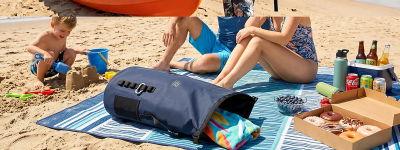
For kayaking, boating, paddleboarding, or rainy outdoor conditions, the RIVONOVA Waterproof Backpack 30L is designed to help protect dry clothes, electronics, and personal essentials. It uses an IPX7-rated waterproof construction, an airtight zipper system, and TPU-coated 840D nylon. The 30L size also gives you room for the essentials for a full day outdoors.

Cold storage is for food, drinks, fruit, snacks, and ice. Here, insulation, liner materials, closure design, capacity, and easy cleanup matter more.
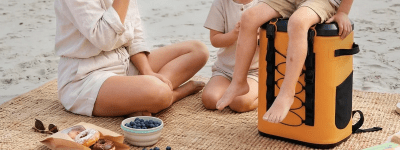
For shorter beach days, paddleboarding sessions, picnics, or fishing days, the RIVONOVA Roll-Top Backpack Cooler 20L/35L offers a lighter and more flexible setup. Its zipper-free roll-top opening is easy to use when packing drinks, snacks, and ice. The 20L size works well for lighter day trips, while the 35L size gives small groups more room. With proper packing and use, its insulated construction is designed to provide 24+ hours of ice retention. Actual results can vary with weather, ice quantity, pre-chilled contents, and how often the bag is opened.
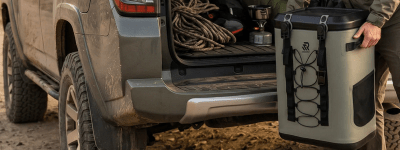
For longer outings, small-group camping, or a full day near the water, the RIVONOVA Magnetic Soft Cooler 24Can offers another way to pack food and drinks. It combines one-hand magnetic access with backpack straps, side handles, exterior storage, and a rigid lid that can be used as a small outdoor surface. With proper packing and use, it is designed to provide 48 hours of ice retention. Actual ice retention can vary with outside temperature, sun exposure, ice quantity, and opening frequency.
Keeping dry gear and cold food separate can make your outdoor experience easier. You do not need to search through ice and food containers for your keys, and you do not have to place dry clothes beside wet gear.
The Small Details Make a Difference
Some of the most useful outdoor features are easy to overlook until you are already outside.
A side pocket can keep sunscreen within reach. A front pocket can keep keys separate from wet gear. A built-in bottle opener can save you from searching through a packed bag. A flat lid can give you a quick place to set down a drink or prepare a snack. A removable liner can make cleanup faster after melted ice or food spills.
These are not the features that always get the biggest headline, but they can have the biggest effect on how a product feels during everyday use.
When comparing gear, ask yourself:
- Will this make packing easier?
- Will it feel more comfortable when loaded?
- Can I quickly reach the items I use most?
- Will cleanup be simple after a long day outside?
- Does this feature solve a problem I actually have?
If the answer is yes, it is likely more useful than a feature that only sounds advanced.
Pack for the Way You Spend Time Outdoors
There is no perfect outdoor setup for everyone. The right gear depends on your usual outdoor activities and packing habits.
For a short beach day, you may value light carry, easy-clean materials, and space for a few drinks. For kayaking or boating, you may care most about protecting dry essentials and keeping the load stable. For fishing, you may want quick access, durable materials, and room for snacks and drinks. For camping, you may need more capacity, better organization, and a plan for keeping food cold through the weekend.
Before your outdoor activity, separate your gear into three groups:
- Items that must stay dry
- Items that need to stay cold
- Items you need to reach quickly
This simple packing method can help you choose the right setup and stay more organized once you are outside.
Outdoor Gear Should Work With Your Plans
Good outdoor gear does not need to do everything. It needs to do the right things well.
It should help you pack faster, carry more comfortably, keep important items in the right place, and clean up with less effort when the outdoor adventure is over. It should fit the way you actually spend time outdoors instead of asking you to change your plans around it.
At RIVONOVA, we focus on practical design for real outdoor days. From water activities and fishing days to beach weekends and camping plans, the goal is to make gear easier to use before, during, and after time outside.
The next time you choose outdoor gear, look beyond the product specifications. Think about the materials, the carry system, the opening, the storage layout, and the small details that will make a real difference when you are out there.


Written by RivonovaOutdoors

Leave a comment
This site is protected by hCaptcha and the hCaptcha Privacy Policy and Terms of Service apply.