
The Kayaking & Paddleboarding Packing List: Keeping Gear Dry and Drinks Cold

There’s a simple truth about kayaking and paddleboarding: If your gear fails on the water, your day is over.
Unlike most outdoor activities, water sports don’t give you a second chance. One splash, one flip, or one poorly sealed bag can mean wet electronics, soggy food, and a long ride back thinking about what you should have done differently.
This guide breaks down a practical, real-world packing system for kayaking and paddleboarding—focused on keeping your gear dry, your essentials protected, and your drinks cold all day long.
Start With the Right Water-Ready Backpack System
Before you think about packing, you need to start with the right container.
A regular backpack—even “water-resistant” ones—are not built for real water exposure. Kayaking and paddleboarding require something more serious:
-
Full waterproof protection
-
Secure sealing system
-
Resistance to splashes and partial submersion
-
Stable structure during movement
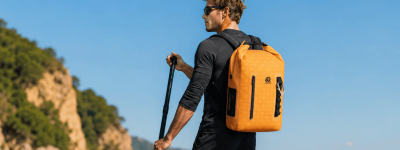
A purpose-built option like the Rivonova Waterproof Backpack 30L is designed specifically for these conditions.

It features:
-
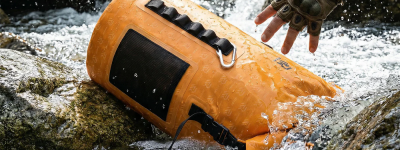
IPX7-rated waterproof construction for real water environments
-
840D nylon TPU-sealed inner lining for moisture protection
-
Airtight sealing zipper system to block water entry
-
A buoyant design that helps it float if dropped into water
In short: it’s built for situations where getting wet is not optional—but your gear getting wet absolutely is.
How to Secure Your Backpack on a Kayak/Paddleboard
One of the most overlooked parts of water sports packing is stability.
A loose backpack on a kayak or SUP is a risk—not just for losing gear, but for shifting balance. Here’s how to secure it properly:
Use fixed anchor points
Most kayaks and paddleboards have bungee cords or tie-down points. Always secure your backpack using these instead of leaving it loose.
Keep weight centered and low
Place your backpack in the center of the board or kayak deck to maintain balance and reduce tipping risk.
Use compression when possible
Roll-top or sealed bags should be compressed to remove excess air, making them more stable and less likely to shift.
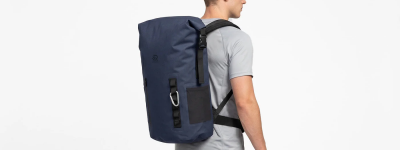
Rivonova’s roll-top systems are designed to stay compact and stable, even when partially filled—ideal for moving water conditions.
Protecting Electronics: Why Sealing Systems Matter More Than You Think
Phones, cameras, GPS devices, and car keys are usually the first things people worry about—and for good reason. Water damage happens fast, and it’s often irreversible.
Here’s what actually matters:
Airtight closure systems
Zippers alone are not enough. A waterproof backpack needs either:
-
Sealed waterproof zippers
-
Roll-top compression closures
Rivonova’s waterproof backpack uses a TPU-sealed inner lining combined with a high-density airtight zipper system, creating multiple layers of protection.
Separate dry storage zones
Keep electronics in inner compartments or waterproof pouches even inside the main bag for double protection.
Avoid frequent opening
Every time you open your bag on the water, you expose it to humidity and splash risk. Plan access in advance.
The Smart Way to Pack Food & Drinks for a Full Day on the Water
Food and hydration are often underestimated in water sports—but they define your energy level for the entire trip.
The goal is simple:
Cold drinks. Fresh food. No leaks. No stress.
This is where insulated cooler systems become essential.


The Rivonova Roll-Top Backpack Cooler is designed for exactly this use case:
-
24+ hour ice retention for long water sessions
-
High-density insulation to maintain cold temperatures
-
Leak-resistant interior lining for safe food storage
-
Backpack design for easy transport across docks, sand, and boats
For longer trips or more convenience-focused users, the Rivonova Magnetic Soft Cooler Backpack adds:
-
One-handed magnetic access
-
Up to 48-hour cooling performance
-
A stable, structured shell designed for outdoor movement
-
A top surface that doubles as a functional prep space on the go
This means your food and drinks stay cold from launch to return—without constant unpacking or ice loss.
Real-World Packing Checklist for Kayaking & Paddleboarding
Here’s a practical setup used by experienced water sport users:
Essential Gear
-
Waterproof backpack (IPX-rated)
-
Dry bag or inner pouch for electronics
-
Spare dry clothes
-
Waterproof phone case
Food & Hydration
-
Insulated cooler backpack or roll-top cooler
-
Ice packs or sealed ice storage
-
High-energy snacks (nuts, sandwiches, fruit)
-
Water or electrolyte drinks
Safety & Convenience
-
Sunscreen
-
Sunglasses with strap
-
Lightweight first aid kit
-
Waterproof keys pouch
The Golden Rule of Water Sports Packing
If there’s one principle to remember, it’s this: Everything you bring should assume it will get wet—even if it doesn’t. That mindset is what separates a stressful trip from a smooth one. Good gear doesn’t just store your items—it protects your entire experience.
Final Thoughts
Kayaking and paddleboarding are supposed to be relaxing, not stressful.
But without the right packing system, even a short trip can turn into a lesson in what went wrong.
With the right setup—like a Rivonova waterproof backpack for gear protection and a roll-top or magnetic cooler backpack for food and drinks—you eliminate the most common problems before they happen.
That means less worrying about your gear, and more time enjoying the water, the sun, and the ride.

Written by RivonovaOutdoors

Leave a comment
This site is protected by hCaptcha and the hCaptcha Privacy Policy and Terms of Service apply.