
Article: Road Trip Cooler Tips: Cold Lunches for Scenic Stops
Road Trip Cooler Tips: Cold Lunches for Scenic Stops
A scenic drive can turn into a much longer day than you expected. The overlook is worth another stop, the lake is a short walk from the parking lot, and lunch is still in the car.
The most useful road trip cooler tips start with that part of the day: plan where lunch will go when you park, keep refrigerated food at 40°F or below, and know where you can get more ice before the next stretch of driving. At RIVONOVA, we'd build the setup around your stops and the food you actually want to eat.
Give lunch a place in the day's plan
Pick a likely lunch stop before you leave, even if it's just a picnic area along your route. Look for a place where you can park, reach a table or comfortable resting spot, and eat without unpacking the whole car.
For two people heading to a lake, that might mean chilled wraps for lunch, whole apples and crackers for the drive, and a grocery stop before continuing to camp. You're carrying one planned meal instead of treating the cooler as a refrigerator for the entire weekend.
On a longer trip, buy refrigerated food closer to when you'll use it if your route allows. Check store hours and ice availability ahead of time, especially before a remote stretch. Carry a few shelf-stable alternatives that fit everyone's needs, and follow their package storage directions.
If you're bringing raw ingredients for dinner at camp, keep them securely sealed and separate from ready-to-eat lunch. Decide whether those ingredients really need to travel with you all day or can be bought nearer your destination.
The stop matters as much as the drive
A cooler that travels in an air-conditioned car faces different conditions once you park. Don't build a long sightseeing stop around leaving lunch in a hot vehicle. Parking in shade may reduce heat exposure, but it doesn't tell you the temperature inside the cooler.
Before heading away from the car, choose what happens to the food:
- Lunch is coming with you: Carry it in a closed cooler with enough ice or frozen packs, then find a shaded place to eat.
- You're visiting somewhere with bag restrictions: Check those rules before arrival. Adjust the meal timing, buy lunch there, or bring food that doesn't require refrigeration.
- You're stopping longer than planned: Reconsider the food arrangement before extending the visit. A quick photo stop and an afternoon walk are different plans.
Keep the cooler accessible when loading the car so you can take it out without shifting every suitcase. Follow your vehicle's instructions for securing luggage, and save cooler access for when you're safely parked.
Bring a cooler you can take beyond the car
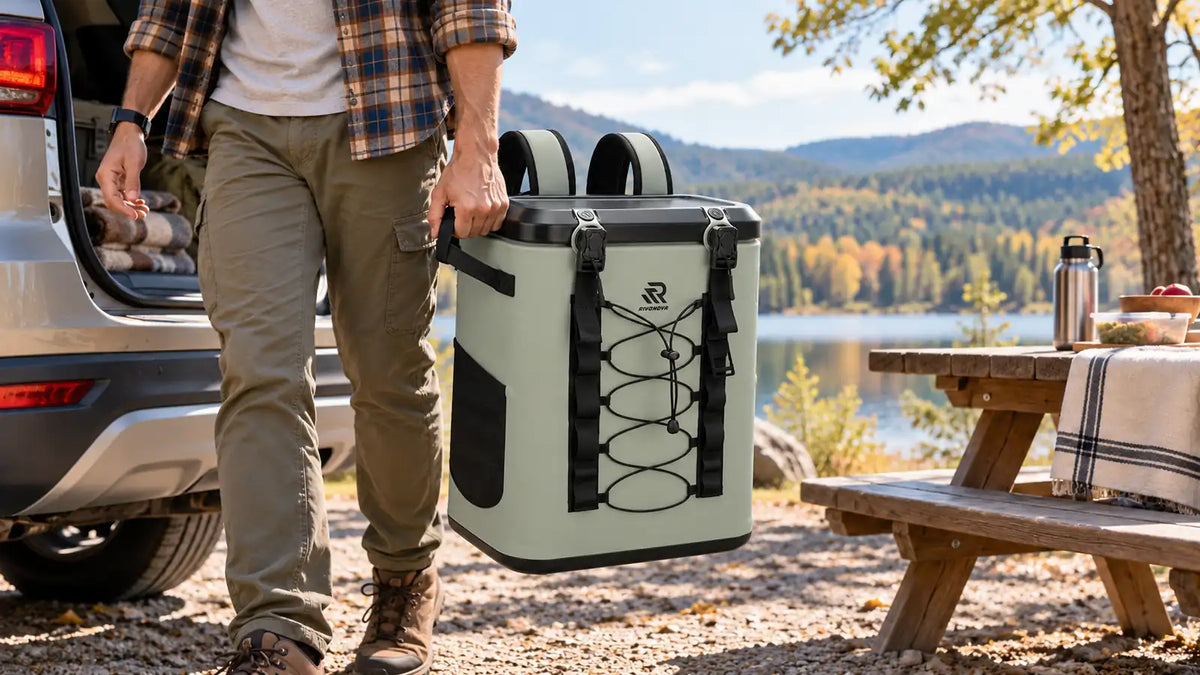
Think about the distance from the parking space to lunch. A cooler that's easy to lift out and carry makes a picnic area or lakeside bench a more practical stop.
The Magnetic Soft Backpack Cooler 24Can has reinforced side handles, backpack straps, and a magnetic opening with a double-buckle system. Those features give you carry options from the parked car and convenient access once you've settled down to eat.
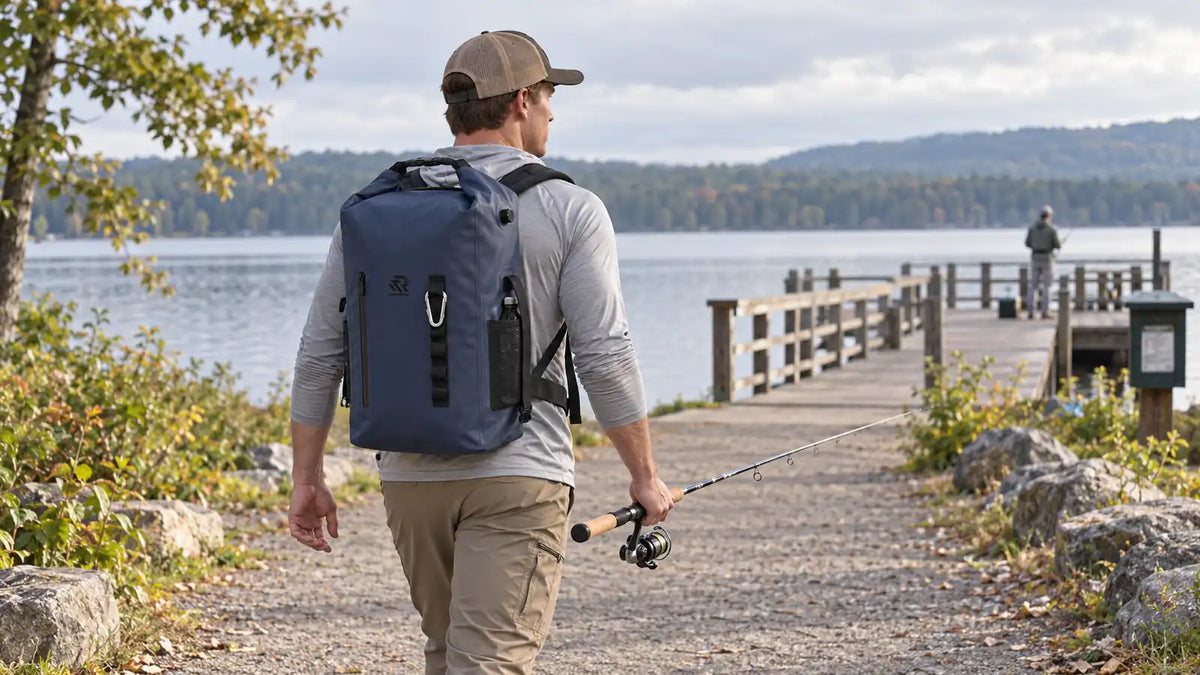
For a stop that includes walking to your lunch spot, the Roll Top Backpack Cooler 20L/35L offers a roll-top closure and backpack carrying. Choose the size around the lunch, drinks, and cooling supplies you'll bring, as well as the load you can manage.
These are alternatives for the same trip. You don't need to bring both. You can browse our soft coolers to compare the openings and carrying styles.

Make the next ice stop easy to find
Choose a possible ice refill stop along your route before you reach a stretch with fewer services. A grocery store near the turn toward the lake is more useful than a vague plan to find ice somewhere later.
Use planned breaks to check your cooler thermometer and cooling supplies. Check again after a long parked stop or a change in the day's plans. The FDA's outdoor food guidance recommends keeping cold perishable food at 40°F or below until serving.
Add fresh ice or replace thawed packs while the food is still properly chilled. Don't wait until the cooler feels warm. A remaining handful of ice or a cold drink isn't a reliable check of every meal container.
If food has already warmed, adding ice doesn't erase the time it spent warm. Don't keep questionable lunch for later simply because another store is nearby. If you can't establish that it stayed properly chilled, discard it and use your backup meal or buy food at the next stop.
Take out lunch when you're ready to eat
At the picnic area, wash your hands and use a clean surface for serving. Set out the portions you'll eat now, and keep the rest closed in the shaded cooler. That leaves fewer containers sitting around while someone takes photos or walks down to the water.
Refrigerated food shouldn't sit out for more than two hours, or one hour when it's above 90°F. Count time across stops; putting a container back into the cooler doesn't start a new allowance. Discard food that has exceeded those limits.
If your group tends to wander before eating, keep lunch packed until everyone is back. It's a small timing change that suits a relaxed stop better than laying out the whole meal on arrival.
Leave room for a change of plans
Before continuing, put away food that's stayed properly chilled, check the cooler, and decide whether the next stop needs to include ice or a fresh meal. Keep trash and used utensils separate from the food compartment.
A longer lakeside visit might mean eating lunch now instead of carrying it to a later overlook. An unplanned detour might mean buying dinner nearer camp. Having a simple backup gives you that flexibility without relying on the cooler to handle every possible delay.
Road trip cooler FAQs
Can you leave a cooler in a hot car?
Don't rely on a parked hot car as a place to store refrigerated lunch during sightseeing. Take the cooler with you where practical or arrange the meal differently. There isn't one safe parking duration for every cooler, load, and day; food temperature and its storage history matter.
How often should I add ice during a road trip?
Use temperature checks and the condition of your cooling supplies rather than a fixed mileage or hourly schedule. Plan access to replacement ice before remote stretches, and replenish it before food loses proper cold storage.
Does a cooler's advertised ice retention mean my lunch is safe?
No. Ice retention describes performance under particular conditions. It doesn't establish the temperature of every food item or replace a thermometer and safe handling.
What if I won't have a refrigerator at my overnight stop?
Plan meals that don't depend on overnight refrigeration, or buy refrigerated ingredients shortly before use. If you bring perishables, you need a suitable cooler, enough replacement cooling supplies, and temperature monitoring for the whole storage period.

Written by RivonovaOutdoors

Leave a comment
This site is protected by hCaptcha and the hCaptcha Privacy Policy and Terms of Service apply.