
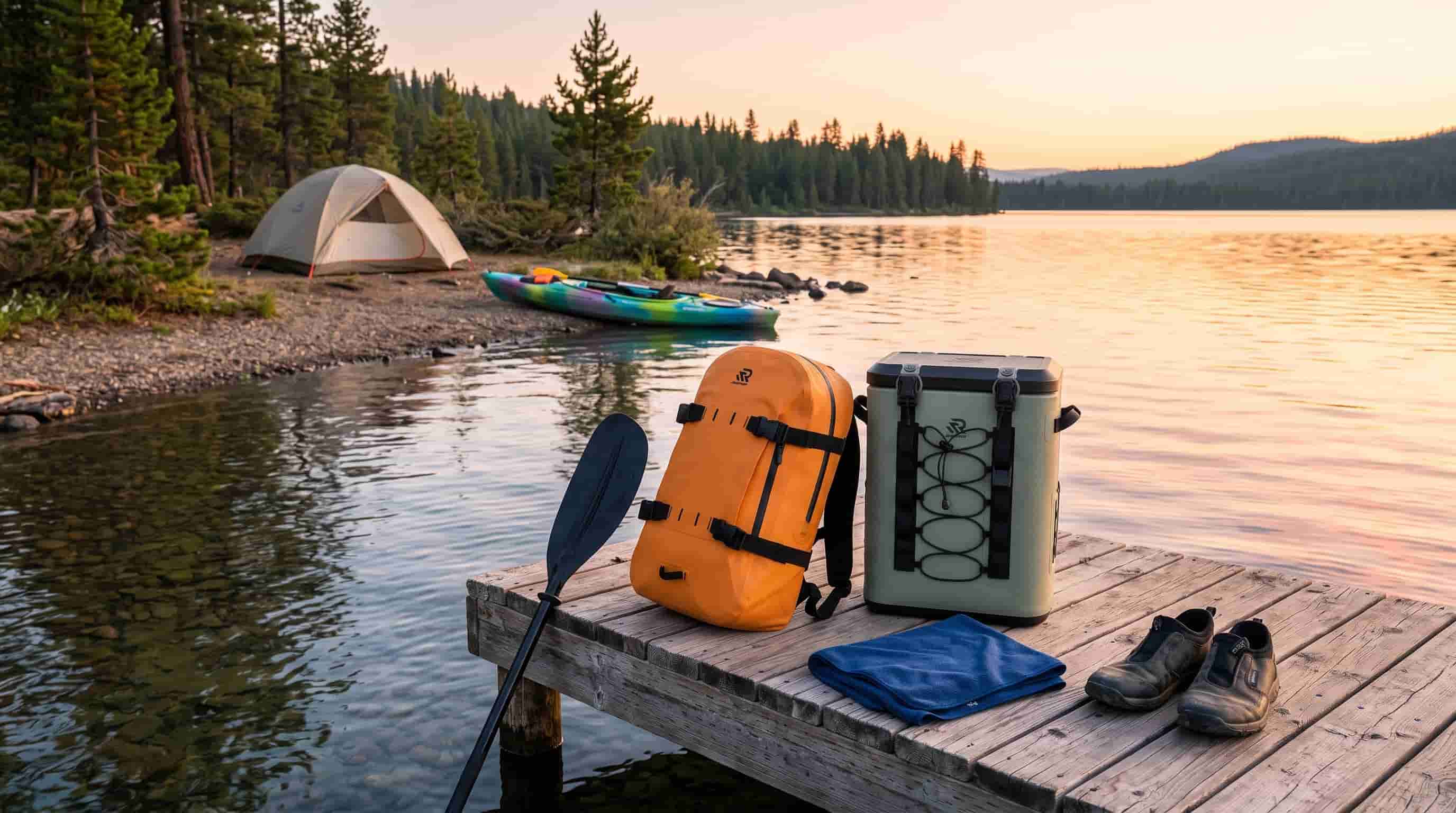
How to Pack Food and Drinks for a Full Day Outdoors

A good day outside usually starts with simple planning: cold drinks, food that stays fresh, and a setup that is easy to carry.
Whether you are heading to the beach, spending the day fishing, paddling on the water, or relaxing at a campsite, the way you pack makes a real difference. A well-packed insulated bag helps keep food organized, limits unnecessary opening, and makes it easier to find what you need without digging through ice.
This guide explains how to pack food and drinks for a full day outdoors, from pre-chilling at home to organizing ice, meals, snacks, and drinks once you arrive.
Start Cold Before You Leave
The easiest way to help food and drinks stay cold is to start with cold food and drinks.
Put bottled drinks, canned drinks, fruit, sandwiches, and other refrigerated items in the fridge the night before. If you are bringing meat, dairy, eggs, cut fruit, or other perishable food, keep it chilled until the moment you pack it.
It also helps to cool the insulated bag before loading it. Add ice or frozen ice packs a few hours before you leave, then empty any excess water before packing your food and drinks. This cools the inside first, so your ice does not have to work as hard after you head outside.
Plan Food Around When You Will Eat It
Do not pack every item at random. Start by thinking about when you will use each thing.
Food for later in the day should go closer to the bottom. Items you will reach for first should stay near the top. This keeps you from opening the bag for too long while searching for lunch or a drink.
A simple packing order looks like this:
If you are packing a meal for later, place it lower down. If you know everyone will want a drink first, keep drinks within easy reach. This small change makes food easier to find and helps limit unnecessary opening.
Use Ice That Matches Your Day
Different kinds of ice work well for different jobs.
Block ice and frozen water bottles usually melt more slowly, so they are useful as a base layer or for food you plan to eat later. Cubed ice fills small gaps and surrounds drinks more closely. Reusable ice packs can help keep food separated from melted water.
For a full day outdoors, use more ice than you think you need. A good starting point is to fill most open space with ice, ice packs, or frozen water bottles. The less warm air inside the bag, the easier it is to keep the contents cold. RIVONOVA recommends a 2:1 ratio of ice to chilled contents by volume for longer ice retention.
If you use loose ice, place food in sealed containers or waterproof bags. This helps keep sandwiches, fruit, and snacks dry as the ice melts.

Keep Food and Drinks Organized
A full day outdoors is easier when you can quickly tell what is inside.
Before packing, separate your items into simple groups:
-
Drinks: Water, canned drinks, juice boxes, or bottles
-
Lunch: Sandwiches, wraps, prepared meals, cheese, or salads
-
Snacks: Fruit, trail mix, chips, protein bars, and other grab-and-go items
-
Cold items: Ice packs, frozen water bottles, and perishable food
-
Quick-access items: A bottle opener, napkins, hand wipes, and utensils
Use sealed containers for meals and soft fruit. This protects food from being crushed and prevents leaks from spreading through the rest of the bag.
If you are packing for several people, label containers or group food by meal. For example, keep lunch together in one section and snacks together in another. You will spend less time looking for things, and the bag will stay open for a shorter time.
For beach days, keep food and drinks separate from towels, sunscreen, wet swimsuits, and sandy gear. For fishing or boating, keep food away from bait, tackle, and wet clothing.
Choose the Right Size for Your Activity
The best setup depends on how much you are carrying and how long you expect to be outside.
For a short beach day, picnic, paddleboarding session, or fishing outing, a smaller insulated carrying option is often easier to manage. You may only need drinks, snacks, lunch, and ice for one or two people.
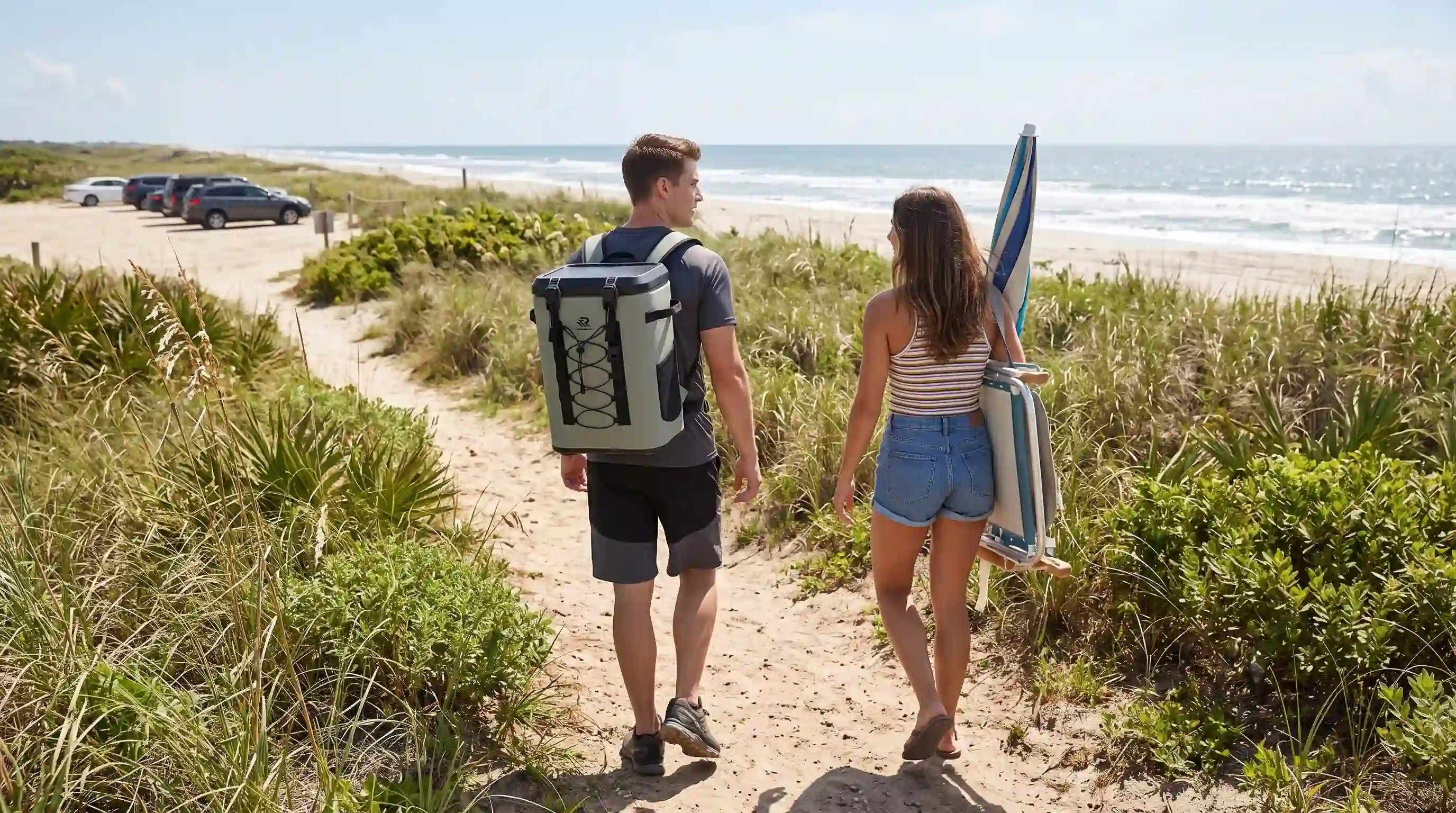
The RIVONOVA Roll-Top Backpack Cooler 20L/35L is designed for flexible day-use packing. The 20L size works well for lighter loads, while the 35L size gives you more space for shared food, drinks, and ice. Its zipper-free roll-top opening is easy to use when you are packing up for the beach, dock, or campsite. With proper packing, pre-chilled contents, and enough ice, its insulated construction is designed to provide 24+ hours of ice retention.
For a longer beach day, a small group, or a weekend at camp, you may want more room and quicker access to the food and drinks inside. The RIVONOVA Magnetic Soft Cooler 24Can combines a magnetic opening with backpack straps, side handles, exterior storage, and a rigid lid that can serve as a small outdoor surface. With proper packing and use, it is designed to keep ice for up to 48 hours.
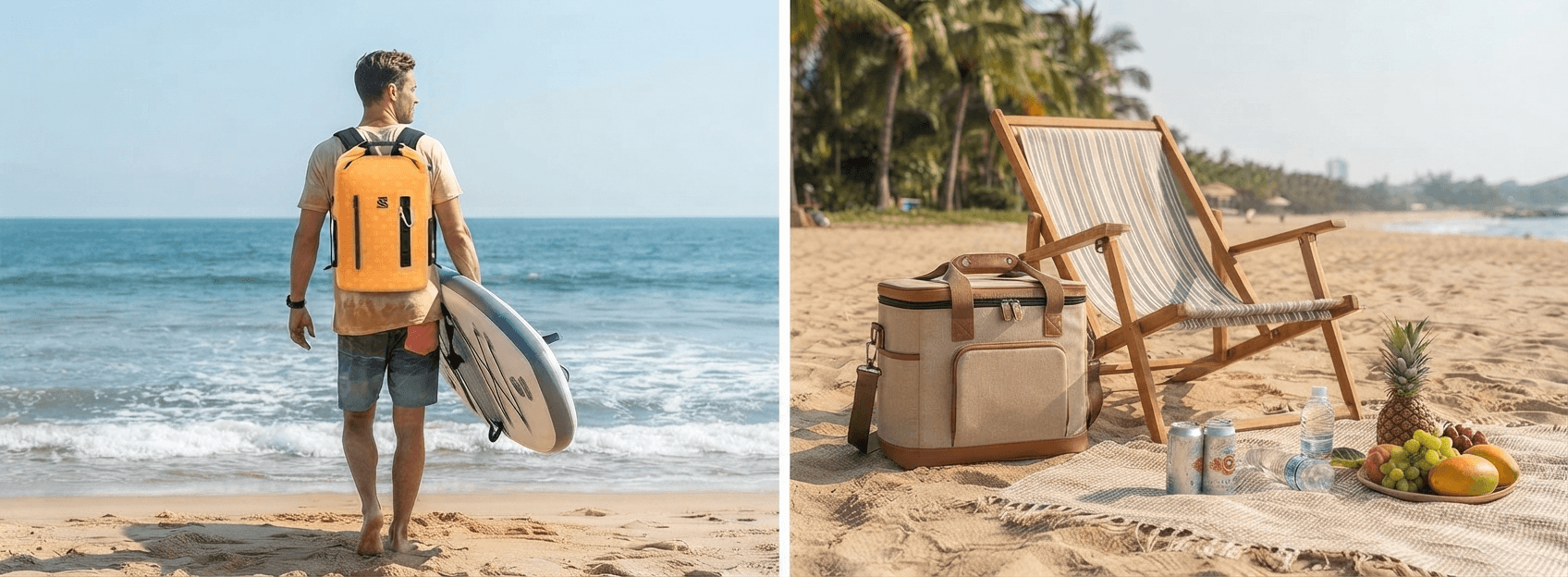
For water activities, it can also help to keep food and drinks separate from your dry essentials. The RIVONOVA Waterproof Backpack 30L is designed for items that should stay protected from splashes and wet conditions, such as clothing, towels, keys, phones, and other personal gear.

Keep Perishable Food Safe
Cold food should stay cold until it is time to eat.
For foods such as meat, dairy, eggs, seafood, cut fruit, and prepared meals, use a food thermometer when possible. Food safety guidance recommends keeping cold foods at 40°F or below; Maine Extension notes that cooler temperatures should stay at 41°F or lower to help limit bacterial growth.
On hot days, give yourself less room for error. Food safety guidance notes that perishable food can become unsafe after one hour when temperatures are above 90°F. Keep your insulated bag in the shade, cover it when you can, and avoid leaving it in a hot car.
If you are not sure whether perishable food has stayed cold enough, it is safer not to eat it.
Keep the Bag Closed and Out of the Sun
How you use your bag matters as much as how you pack it.
Every time you open it, warm air enters. Try to keep drinks and snacks near the top, so you can grab what you need without moving everything else.
At the beach, place the bag under an umbrella, canopy, or shaded spot. At camp, keep it out of direct sunlight and away from a hot fire pit or cooking area. On a boat or dock, use the coolest shaded place available and secure it so it does not tip over.
Do not leave an insulated bag in a parked car for long periods. Even a well-packed bag can warm up quickly inside a hot vehicle.
A Simple Full-Day Packing List
Use this list as a starting point for one or two people:
-
4–8 cold drinks
-
Refillable water bottles
-
Lunch or prepared meal containers
-
Fruit or easy snacks
-
Ice packs, loose ice, or frozen water bottles
-
Napkins and utensils
-
Hand wipes
-
A small trash bag
-
Sunscreen and a hat
-
A separate place for keys, phone, and dry clothing if needed
For a group, add more ice before adding more food. It is easier to carry a little extra ice than to deal with warm drinks halfway through the day.
Pack Once, Enjoy the Day
A little preparation at home can make a big difference outside.
Pre-chill your food and drinks. Build your pack in layers. Keep first-use items near the top. Fill open spaces with ice or ice packs. Keep the bag shaded and closed as much as possible.
With a simple system, your food stays organized, drinks are easier to reach, and you can spend less time sorting through gear. That leaves more time for the beach, the water, the campsite, or wherever the day takes you.

Written by RivonovaOutdoors

Leave a comment
This site is protected by hCaptcha and the hCaptcha Privacy Policy and Terms of Service apply.