
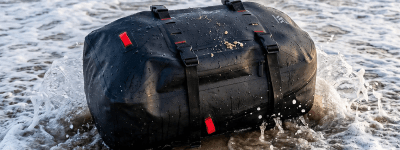
How to Choose the Best Waterproof Backpack for Water Sports

Water sports are fun until a wave hits the deck, a paddle drips across your gear, or a sudden rain shower catches you halfway through the day.
For kayaking, paddleboarding, boating, fishing, and beach trips, a regular backpack usually is not enough. It may handle a light drizzle, but it is not designed for repeated splashes, wet surfaces, or the possibility of being dropped into the water.
A waterproof backpack gives you a hands-free way to carry dry clothes, electronics, food, towels, and other essentials while keeping them protected around water. The right one can make a day on the lake, beach, or boat feel much more organized—and much less stressful.
In this guide, we’ll break down what to look for when choosing a waterproof backpack for water sports.
What Makes a Backpack Truly Waterproof?
Not every “waterproof” backpack provides the same level of protection.
Some backpacks are better described as water-resistant. They may repel light rain for a short time, but water can still enter through zippers, stitched seams, or untreated fabric. That can be fine for commuting or a quick walk in the rain, but it is not ideal for kayaking, SUP, boating, or fishing.
For water-based activities, look for a backpack with these features:
- Sealed or welded seams
- A waterproof zipper or secure roll-top closure
- Durable waterproof fabric, such as TPU-coated material
- A high waterproof rating
- A design that keeps water out during splashes, rain, and wet conditions
If your backpack may sit on a wet dock, get splashed in a kayak, or come into contact with shallow water, waterproof construction matters more than a standard rain cover.
Why Waterproof Ratings Matter
A waterproof rating helps explain how much water exposure a backpack can handle.
For casual outdoor use, light water resistance may be enough. But for water sports, you need a backpack built for more demanding conditions.
An IPX7 waterproof rating is especially useful for paddlers, boaters, and beachgoers because it is designed for serious water protection. When you carry electronics, spare clothing, a wallet, camera gear, or dry layers, you want more than fabric that simply sheds rain.
RIVONOVA waterproof backpacks use IPX7 protection, an airtight zipper, and sealed construction to help keep gear dry during splashes, rain, and water-based adventures.
Tip: Always close waterproof zippers completely and check that the bag is properly sealed before getting on the water. Even the best waterproof backpack cannot protect your gear if the closure is left partially open.
Choose the Right Closure: Waterproof Zipper vs. Roll-Top
The closure system is one of the most important parts of a waterproof backpack.
Waterproof zipper backpacks
A waterproof zipper backpack is a strong option for people who want faster access to their gear. You can open the bag, grab what you need, and seal it again without rolling and unrolling the top.
This style works well for:
- Kayaking day trips
- Boating
- Paddleboarding
- Fishing
- Beach outings
- Carrying cameras, phones, or dry clothing
Look for a high-quality airtight zipper rather than a standard fabric zipper. Standard zippers can allow water through the teeth, especially during heavy rain or repeated splashing.
Roll-top waterproof backpacks
Roll-top backpacks use a folded and clipped closure. They are popular for dry bags and can offer dependable protection when rolled correctly.
This style is useful for:
- Lightweight packing
- Paddle sports
- Beach gear
- Camping in wet weather
- Larger items that do not need frequent access
The tradeoff is convenience. If you need to reach your phone, sunscreen, or a dry layer several times during the day, a zipper-based waterproof backpack may be easier to use.
What Size Waterproof Backpack Do You Need?
Capacity depends on the length of your trip and the equipment you carry.
| Trip type | Recommended capacity | What to pack |
|---|---|---|
| Short paddle or beach visit | 15L–20L | Phone, keys, sunscreen, towel, water, snacks |
| Full-day kayaking or SUP trip | 20L–30L | Dry layers, lunch, water, camera, first-aid kit, extra gear |
| Fishing, boating, or overnight trip | 30L+ | Clothing, food, electronics, rain gear, larger essentials |
For most people, a 30L waterproof backpack is a practical all-around choice. It gives you enough space for day-trip essentials without becoming overly bulky for paddling or walking to the beach.
The RIVONOVA Waterproof Backpack 30L is designed with an IPX7 waterproof zipper, air valve, floating capability, and tear-resistant 840D nylon construction—features that fit the needs of many full-day water adventures.
Look for a Backpack That Can Float

When you are around water, flotation can be a valuable feature.
If a backpack accidentally goes overboard, you do not want it to sink immediately with your phone, keys, wallet, and dry clothing inside. A floating waterproof backpack can help keep your gear visible and easier to retrieve.
An air valve is especially useful because it allows you to adjust the bag’s internal air volume. When used correctly, this can help support flotation while also making the backpack easier to pack.
This feature is particularly helpful for:
- Kayaking
- Paddleboarding
- Boating
- Beach and shoreline activities
Of course, you should still secure your backpack whenever possible. Use deck straps, attachment points, or a leash system when conditions are rough or there is a risk of capsizing.
Comfort Still Matters on the Water

Waterproof protection is important, but comfort matters just as much when you are carrying gear from the parking lot to the shore, hiking to a launch point, or moving between campsites.
Look for:
- Padded shoulder straps
- Adjustable chest or load straps
- A breathable back panel
- Balanced weight distribution
- External attachment points for bulky gear
- Quick-drying materials
A backpack that protects your gear but feels uncomfortable after 20 minutes will not be the right choice for long trips.
For kayaking and paddleboarding, choose a backpack that sits securely against your back and does not shift around as you move. For fishing or camping, external attachment points can also help keep items like a jacket, small sleeping pad, or gear pouch out of the main compartment.
Best Waterproof Backpack Uses by Activity
Kayaking
A waterproof backpack for kayaking should protect gear from paddle splash, rain, wet seats, and the possibility of a capsize.
Prioritize:
- IPX7-level waterproof protection
- Airtight closure
- Floating design
- Comfortable shoulder straps
- Enough capacity for dry layers and food
Paddleboarding
For SUP, you may want a backpack that is easy to carry to the water and easy to secure once you are on the board.
Prioritize:
- Lightweight but durable construction
- Waterproof protection for a phone and keys
- Compact shape
- Secure closure
- External straps or attachment options
Beach Days

Sand, sunscreen, wet swimsuits, and unexpected waves can make a standard backpack messy fast.
Prioritize:
- Easy-to-clean waterproof material
- Space for towels and dry clothes
- A closure that keeps sand and splashes out
- Comfortable carry for longer walks
Boating and Fishing
Boat decks, docks, and fishing gear create plenty of opportunities for water exposure.
Prioritize:
- Tough exterior fabric
- Waterproof zipper or roll-top closure
- Larger capacity
- Floatability
- Comfortable carry for moving gear between the car, dock, and boat
Waterproof Backpack Packing Checklist
Before heading out, pack heavier items close to your back and keep frequently used essentials easy to reach.
For a typical day on the water, pack:
- Phone in a waterproof case
- Keys and wallet
- Extra dry shirt or lightweight layer
- Sunscreen
- Sunglasses
- Towel
- Refillable water bottle
- Snacks or lunch
- Small first-aid kit
- Portable charger
- Camera or action camera
- Dry socks for the ride home
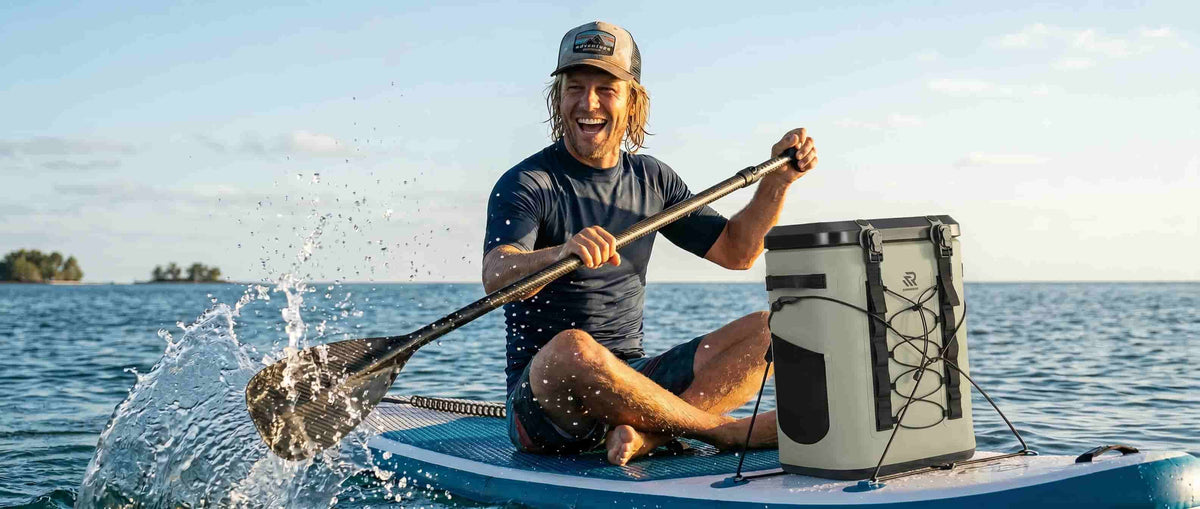
For longer trips, consider pairing your waterproof backpack with an insulated soft cooler. Use the backpack to protect dry gear and electronics, while the cooler keeps drinks, food, and snacks cold.
Shop Waterproof Backpacks for Kayaking, Beach Trips & More →
Final Thoughts
The best waterproof backpack for water sports is not simply the one with the biggest capacity or the toughest-looking material. It is the one that matches your activity, keeps your essential gear dry, feels comfortable to carry, and gives you confidence around water.
For quick beach trips, a smaller waterproof pack may be enough. For kayaking, paddleboarding, fishing, or full-day boating trips, choose a durable waterproof backpack with dependable seams, a secure closure, sufficient capacity, and flotation support.
When your gear stays dry, you can spend less time worrying about splashes, rain, and wet surfaces—and more time enjoying the water.

Written by RivonovaOutdoors

Leave a comment
This site is protected by hCaptcha and the hCaptcha Privacy Policy and Terms of Service apply.